ELSA (Emotional Literacy Support Assistant)
Welcome to the Bruton Primary School ELSA Page
Hello and welcome! My name is Mrs Stokes, and I am our school’s ELSA (Emotional Literacy Support Assistant).

As an ELSA, I have undertaken specialist training with Educational Psychologists and regularly attend supervision to develop my skills and knowledge. This enables me to provide planned emotional support to children experiencing temporary or longer-term emotional needs.
ELSA support can include:
- 🌱 Understanding and managing emotions
- 💛 Anxiety and worries
- ⭐ Self-esteem and confidence
- 🤝 Social and friendship skills
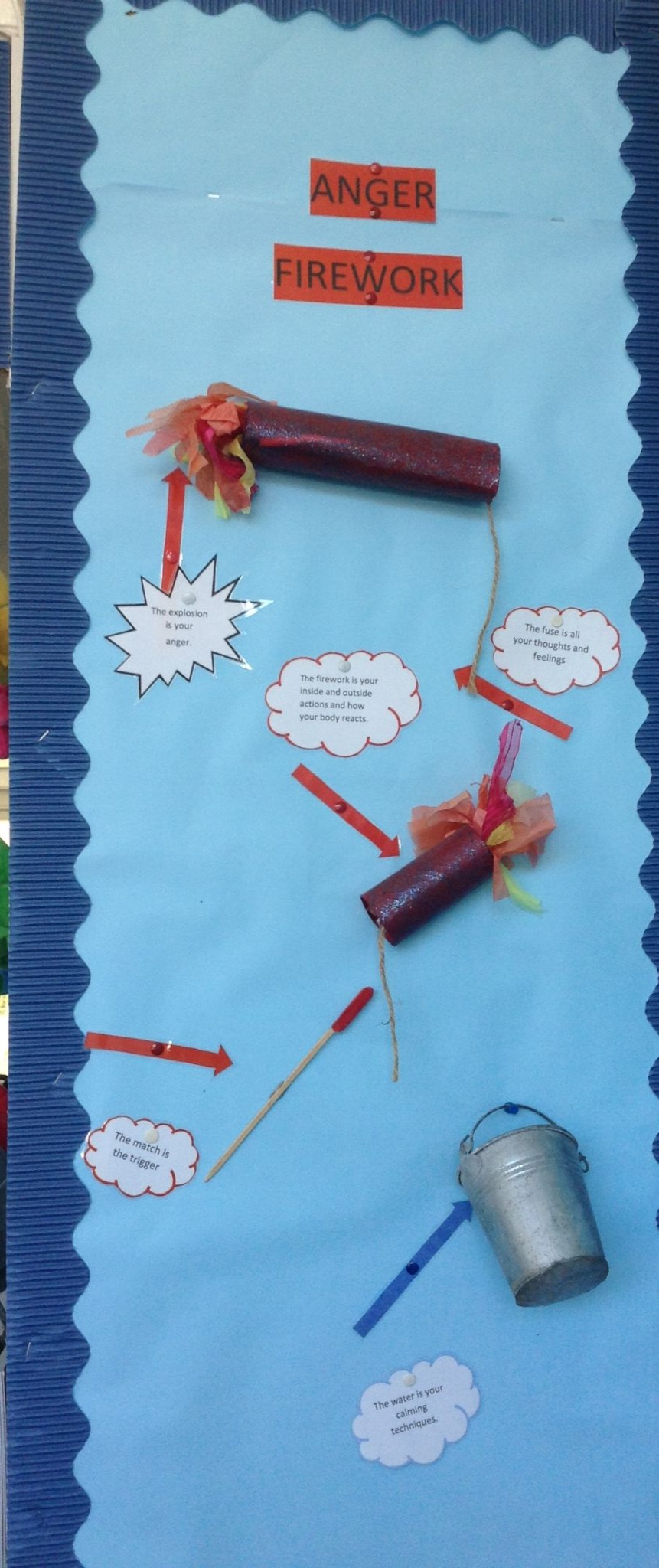
- 🌈 Managing anger
- 🕊️ Loss and bereavement
Supporting children and families
On this page, I will share ideas, practical strategies and helpful resources to support children's emotional wellbeing at home. You will also find recommended books, calming techniques and links to useful websites.
If you have any questions or concerns, please get in touch:
📧 elsabps@eastsomersetfederation.co.uk
Warmest wishes,
Mrs Stokes
ELSA – Bruton Primary School
What is ELSA?
Children can face challenges that affect their emotional wellbeing and ability to engage with learning. ELSA recognises that children are happier and learn more effectively when their emotional needs are supported too.
ELSA support is provided through individual sessions or small groups, focusing on areas such as emotional wellbeing, confidence, social and friendship skills.
Sessions are fun, nurturing and engaging, usually lasting around 20–30 minutes. Activities may include games, role-play, puppets, mindfulness, creative activities and crafts.
ELSA at Bruton Primary
Our ELSA sessions take place in The Nest, our dedicated wellbeing space. It provides a calm, safe and nurturing environment where children can feel supported, develop their emotional skills and build confidence.
Supporting children to understand their feelings, build resilience and flourish. 🌱
How does ELSA work?
Children may be referred for ELSA support by their class teacher, Senior Leaders or SENCo.
Referrals are discussed to identify and prioritise children who would benefit from a 6–10 week programme of weekly support.
Each programme is carefully planned around the child’s individual needs and aims to help them develop emotional skills, confidence and practical coping strategies.
Through fun, supportive activities, Lego awareness groups, social groups, 1:1 sessions, children are encouraged to understand their feelings, build resilience and develop skills to manage social and emotional challenges more effectively.
Supporting – Not Fixing
ELSA is about supporting children, not fixing their problems.
We provide a safe, nurturing space where children can feel listened to, valued and understood. Through a warm and respectful relationship, children are encouraged to explore and share their thoughts and feelings openly.
We recognise that change takes time and every child’s circumstances are different. For children with more complex or longer-term needs, ELSA support will not resolve every difficulty, but it can provide targeted support to help them develop specific skills, confidence and coping strategies.
We can’t always change what happens, but we can help children feel supported and develop the skills to manage it. 🌱
Parents’ Self-Help & Support
Supporting your child’s emotional wellbeing at home can sometimes feel difficult. Here are some helpful resources offering practical advice, ideas and strategies for parents and carers.
Supporting an Anxious Child
If your child experiences worries or anxiety, these resources offer helpful ideas for understanding and managing anxious feelings:
- Coping Skills for Kids – Calming Anxiety
Practical strategies to help children manage worries and develop calming skills. - https://copingskillsforkids.com/calming-anxiety
- Psych Central – 49 Phrases to Calm an Anxious Child
Helpful examples of what you can say when your child is feeling worried or overwhelmed. - https://psychcentral.com/blog/stress-better/2016/03/49-phrases-to-calm-an-anxious-child#1
Books to Support Children with Worries
Books can be a gentle way to help children understand their feelings, talk about worries and develop coping strategies.
We will regularly add recommended books and resources that you may find useful at home.

What To Do When You Worry Too Much (A child's guide to overcoming anxiety) by Dawn Huebner is an interactive self-help book designed to guide 6–12 year olds and their parents through the cognitive-behavioural techniques most often used in the treatment of generalised anxiety. Engaging, encouraging and easy to follow, this book educates, motivates and empowers children to work towards change. We have used this book at school and have found it a very useful tool.
*** A story book recommended for younger children***

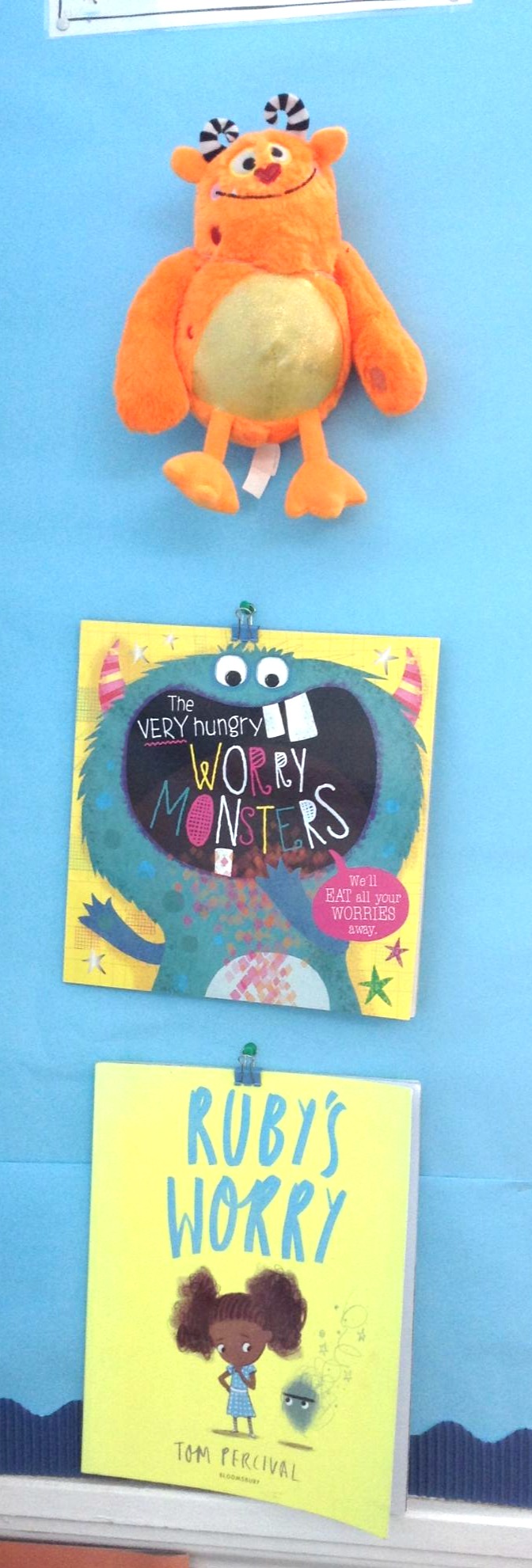
Similar to 'Huge bag Of Worries', by Virginia Ironside, Ruby discovers that recognising and sharing a worry is a first step towards shrinking the worry. In Elsa sessions, we recognise the feelings of worry, maybe a knot in the tummy or other feelings like being sad or grumpy, then we talk about worries, and then we can try strategies to help with the uncomfortable feelings that anxiety can cause.
Supporting Self-Esteem & Managing Anger
Supporting Your Child’s Self-Esteem
If your child is struggling with confidence or self-esteem, Family Lives offers practical advice and ideas to help parents and carers support their child in developing a positive sense of self.
Helping your child build self-esteem – Family Lives
Helping with “Hot Feelings”
Anger is a normal emotion, but children sometimes need help understanding and managing those big feelings. This resource offers useful strategies and ideas for parents and carers.
https://www.nspcc.org.uk › advice-for-families › argum...
Coping Skills for Kids https://copingskillsforkids.com/managing-anger
Remember: feelings are not “good” or “bad” – children need support to understand them and learn how to manage them. 🌱

The Angry Octopus
The Angry Octopus by Lori Lite is a fun story that helps children learn how to manage anger and big feelings.
Through deep breathing and progressive muscle relaxation, children learn how to calm their bodies, recognise their emotions and develop strategies for managing anger.
Breathe, relax and take control of your feelings. 🌊💛
Other Useful Books:
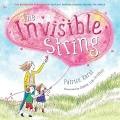
The Invisible String
The Invisible String by Patrice Karst is a warm and reassuring story about the unbreakable connection between loved ones.
Through the idea of an invisible string made from love, children learn that even when someone is far away, they are never truly alone.
A lovely book for supporting children with separation, loss, worries and feelings of loneliness

Badger’s Parting Gifts
Badger’s Parting Gifts by Susan Varley is a gentle story about death, grief and remembering someone we love.
Through Badger’s friends, children learn that although someone may be gone, the memories, love and things they taught us can live on.
A comforting book for helping children understand loss and bereavement in an age-appropriate way
.
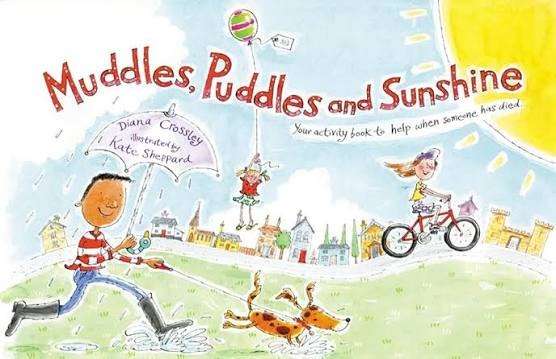
Muddles, Puddles and Sunshine
Muddles, Puddles and Sunshine by Diana Crossley is a gentle, practical activity book designed to help young children process and express their feelings following a bereavement.
Through simple activities, it encourages children to explore their emotions and memories in a safe and supportive way.
A useful resource for helping children understand and cope with grief.
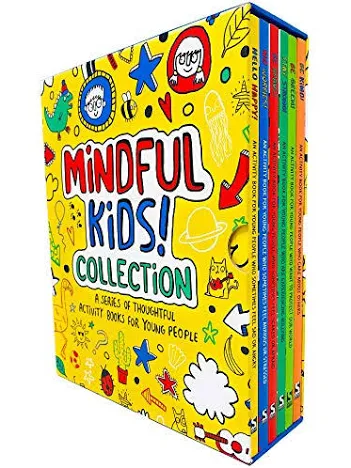
The Mindful Kids Collection
The Mindful Kids collection by Studio Press offers interactive activity books for children aged 7+, developed with child and family psychotherapist Dr Sharie Coombes.
Through writing, colouring, doodling and drawing, children can explore and manage feelings such as anxiety, fear, low self-esteem, grief and bullying.
The books also include helpful guidance for parents and carers, making them a useful resource for supporting children’s emotional wellbeing at home.
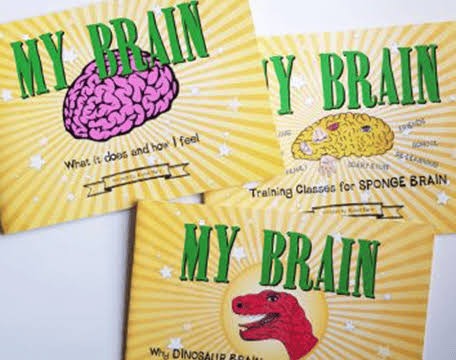
The My Brain Book Collection
The My Brain Book Collection by Orlanda Bettison is an evidence-based series for children aged 4–12, helping them understand their brains, emotions and mental wellbeing.
Using engaging characters, rhyming text, simple metaphors and real scientific language, the books make it easier for children to understand how their brains work and how they can manage their emotions.
.

Lifetimes: The Beautiful Way to Explain Death to Children by Bryan Mellonie is a gentle and reassuring book that helps children understand death as a natural part of life. Through simple, comforting language, it explains that all living things have their own special lifetime, helping children make sense of the loss of a pet, friend or loved one. It provides a sensitive starting point for conversations about death, grief and the feelings that come with losing someone we care about.
Other Useful Websites and Numbers
Every Mind Matters – NHS https://www.nhs.uk/every-mind-matters/
Practical advice and resources to support children, young people and families with their mental health and wellbeing.
Children’s Mental Health – Every Mind Matters https://www.nhs.uk/every-mind-matters/supporting-others/childrens-mental-health/
Advice for parents and carers on supporting children with their mental health.
Grief & Loss – YoungMinds
Guidance for parents and carers supporting a child or young person through grief and loss.
Somerset Children & Young People – Health & Wellbeing https://www.cypsomersethealth.org/
Local information and resources to support the health and wellbeing of children and young people in Somerset.
Young Somerset https://www.youngsomerset.org.uk/
Support and services for children and young people across Somerset.
Childline: 0800 1111
Free, confidential support for children and young people.
Samaritans: 116 123
Free, confidential emotional support, available 24 hours a day.
Hub of Hope https://hubofhope.co.uk/
The UK’s largest mental health support directory, helping you find local and national services for yourself or someone you are supporting.
Josephine’s Star – Supporting Grieving Children https://www.josephinesstar.org.uk/
Support and resources for children and families experiencing bereavement in Somerset.
Winston’s Wish – Now part of Child Bereavement UK — 08088 020 021 https://winstonswish.org/
Support for children and young people who are grieving the death of someone important to them.
NSPCC: help@nspcc.org.uk | 0808 800 5000
Support, advice and guidance about the wellbeing and safety of children.
WISE Up Workshops – Somerset Parent Carer Forum https://somersetparentcarerforum.org.uk/home/wise-up-workshops/
Workshops and support for parents and carers of children and young people with SEND or additional needs.
Somerset Parent Carer Forum https://somersetparentcarerforum.org.uk%20/
An independent, parent-led organisation supporting parents and carers raising children and young people aged 0–25 with SEND or additional needs.
The Nest
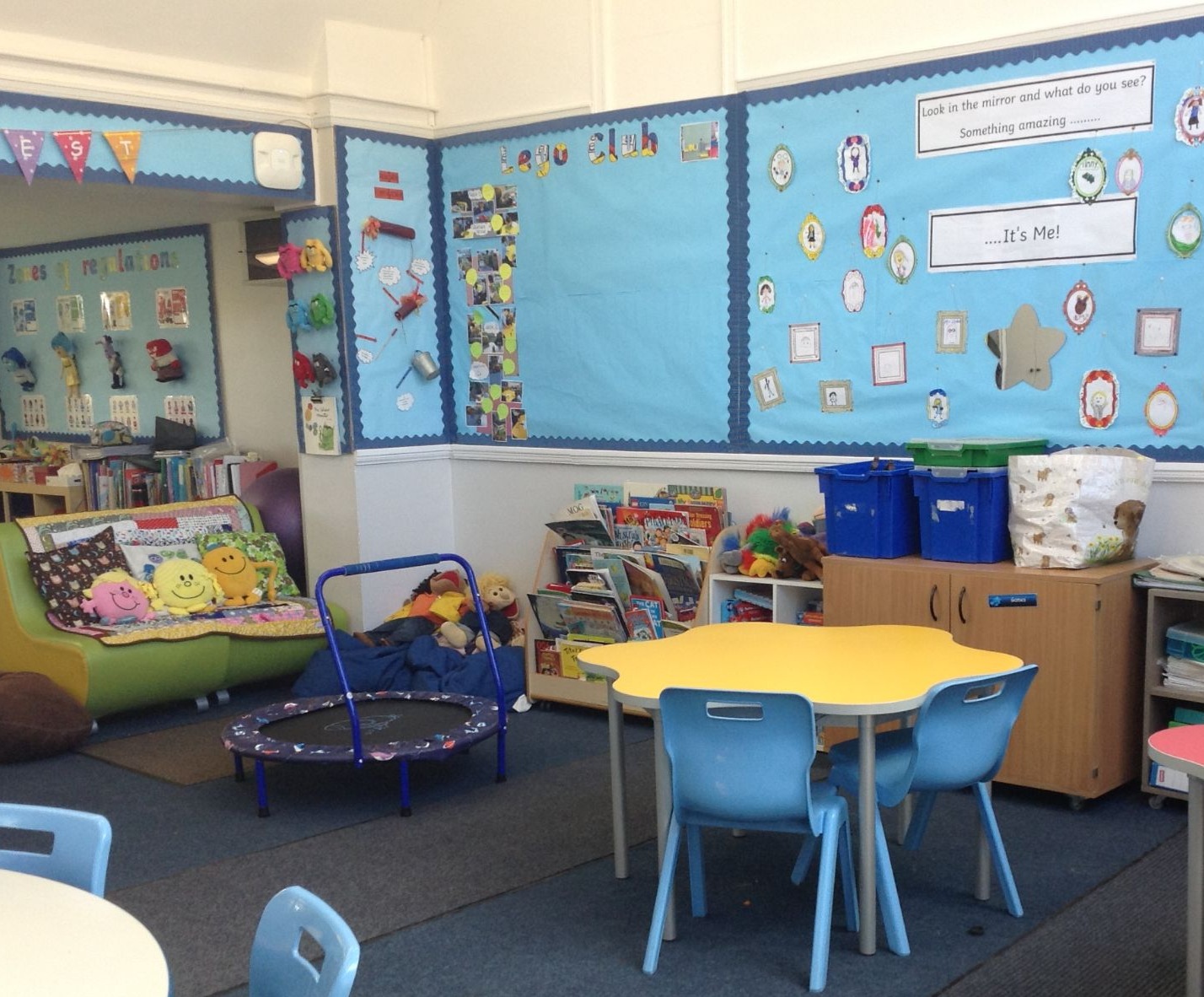
We are lucky to have our own wellbeing and safe space – The Nest, where our ELSA base is situated.
With calming indoor and outdoor spaces, The Nest provides children with a safe, reassuring place to pause, regulate, talk and take time away from the classroom when needed.
The Nest also hosts our ELSA Lunch Clubs for KS1 and KS2 on different days. These relaxed drop-in sessions offer children a chance to enjoy quiet play, activities, conversation and time to recharge.
A safe space to pause, connect and feel supported
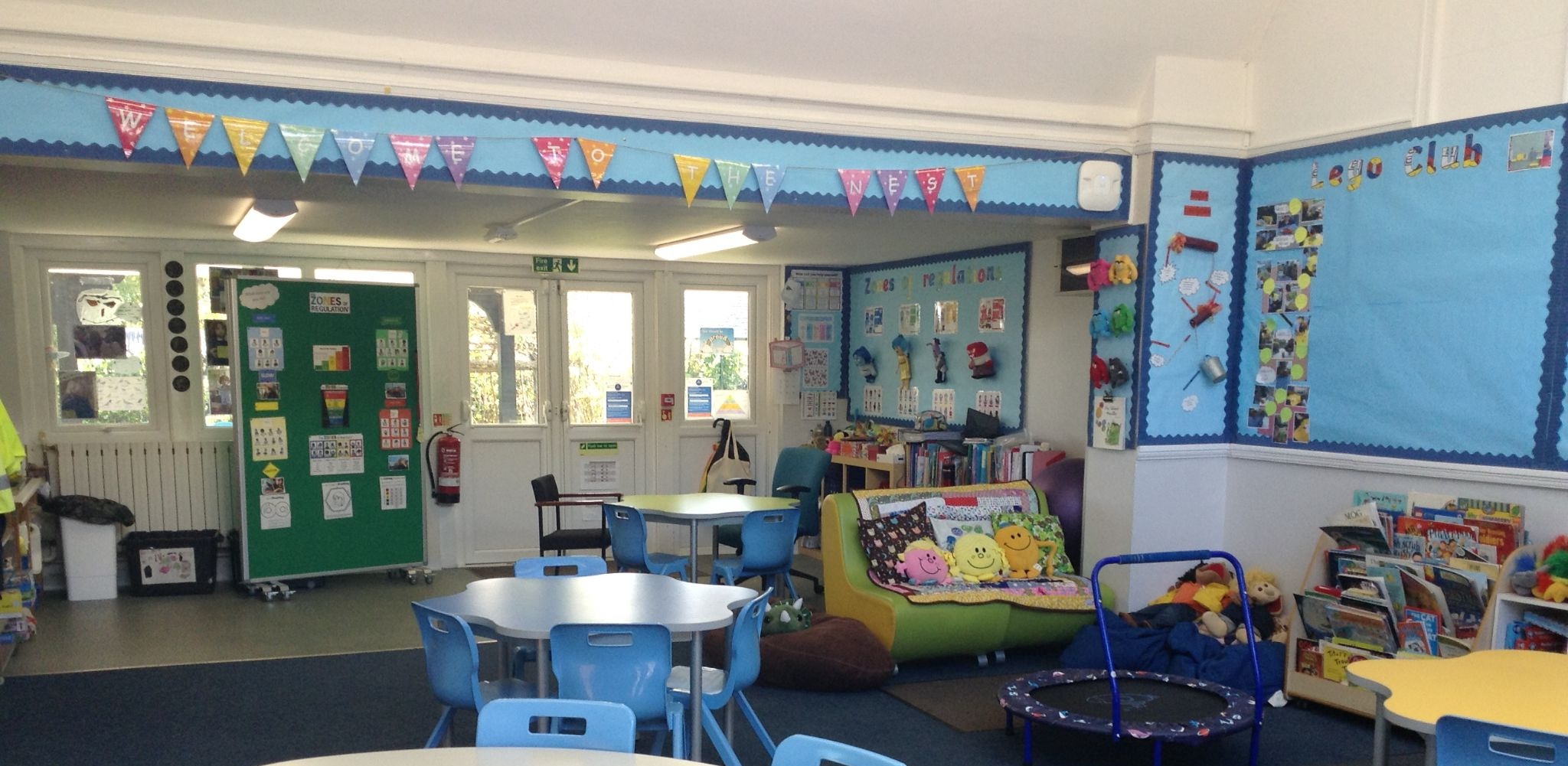
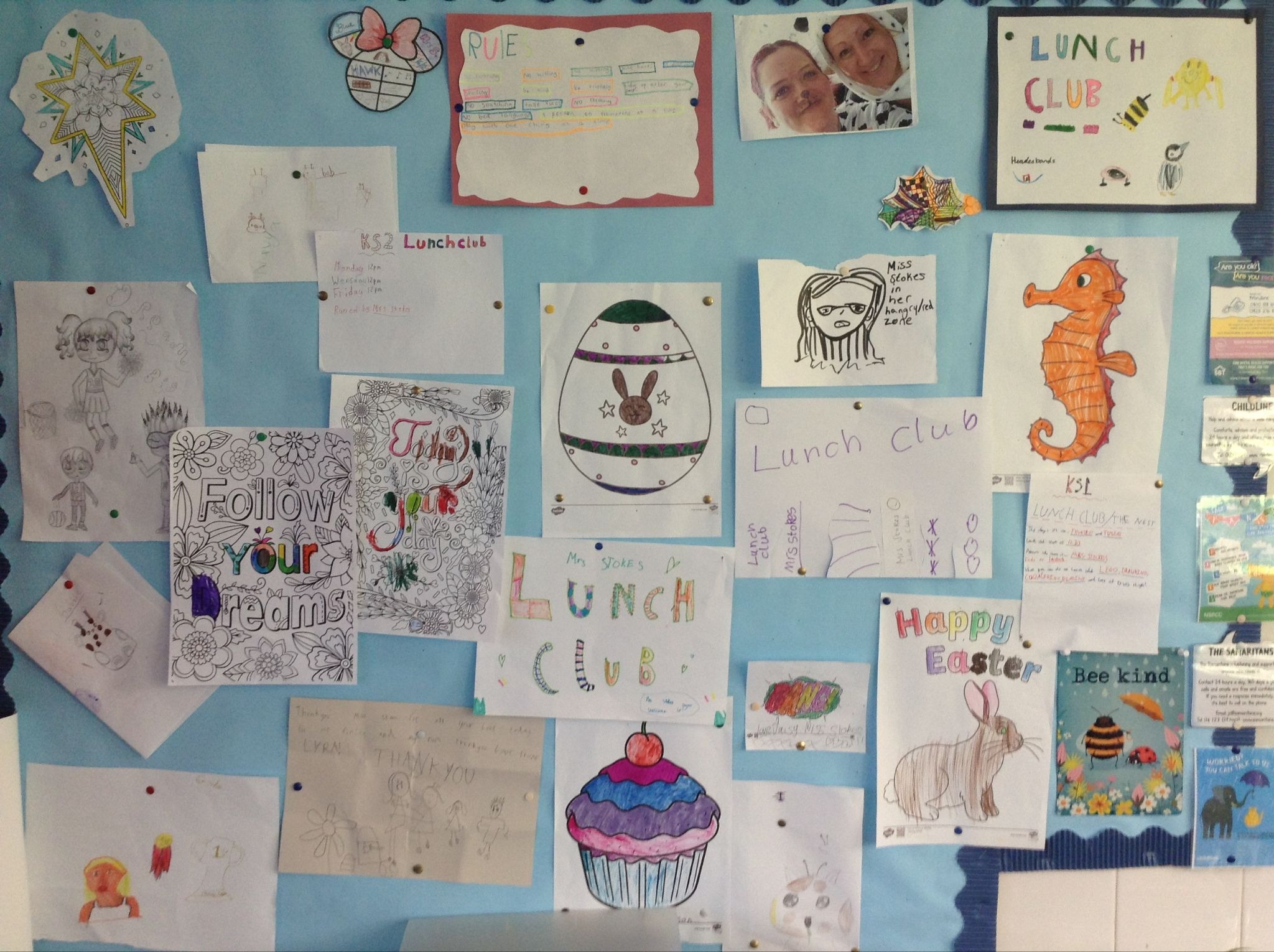
As part of our ELSA (Emotional Literacy Support Assistant) provision, we offer welcoming lunchtime clubs for children across KS1 and KS2.
Our lunch clubs provide a safe, calm and supportive space where children can take some time away from the busyness of the playground, enjoy structured activities, or simply have a chat with a trusted adult.
KS1 & KS2 – Lunch Clubs
The clubs are open to children who:
- may be having a difficult time or have something on their mind;
- would like someone to talk to;
- enjoy quiet, calm and structured play;
- would benefit from a smaller, more nurturing environment;
- want to spend time playing games, completing puzzles, drawing or doing crafts;
- simply feel that they would like a little time and space to reset.
A flexible drop-in space
Our lunch clubs are drop-in sessions, so children can choose to attend when they feel they need the support or would like to spend some time in a calmer environment. There is no expectation for children to attend every day.
Activities are varied and may include board games, puzzles, colouring, crafts, quiet games and opportunities for conversation. Children are encouraged to make choices about how they spend their time.
Supporting wellbeing and emotional development
The clubs provide valuable opportunities for children to:
Talk • Connect • Play • Regulate • Build confidence • Develop friendships • Reset
We believe that sometimes children simply need a safe space, a listening ear and a little time. Our aim is to provide this in a warm, relaxed and inclusive environment, helping children return to their afternoon learning feeling more settled and ready to engage.
“A safe space to talk, connect, play and reset.”
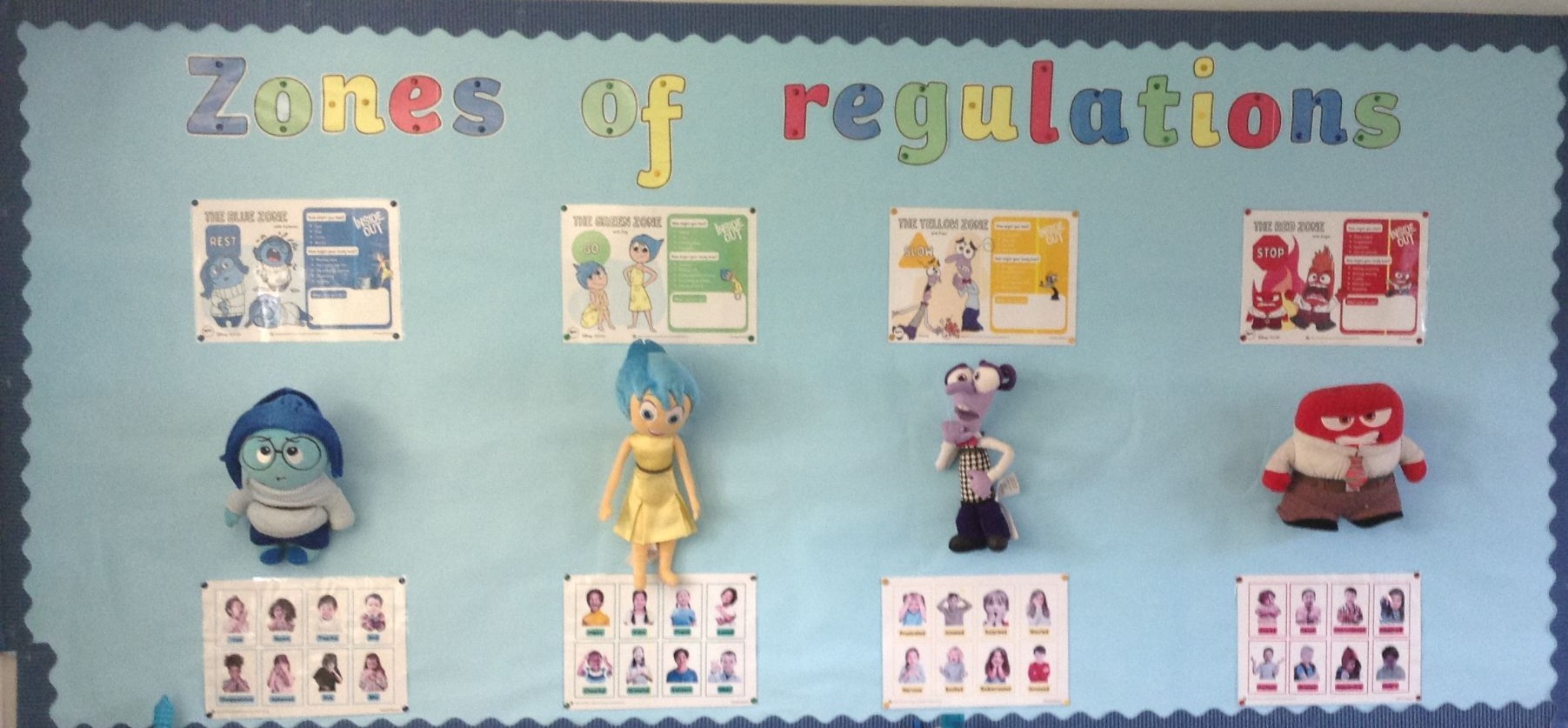
Zones of Regulation
https://zonesofregulation.com/
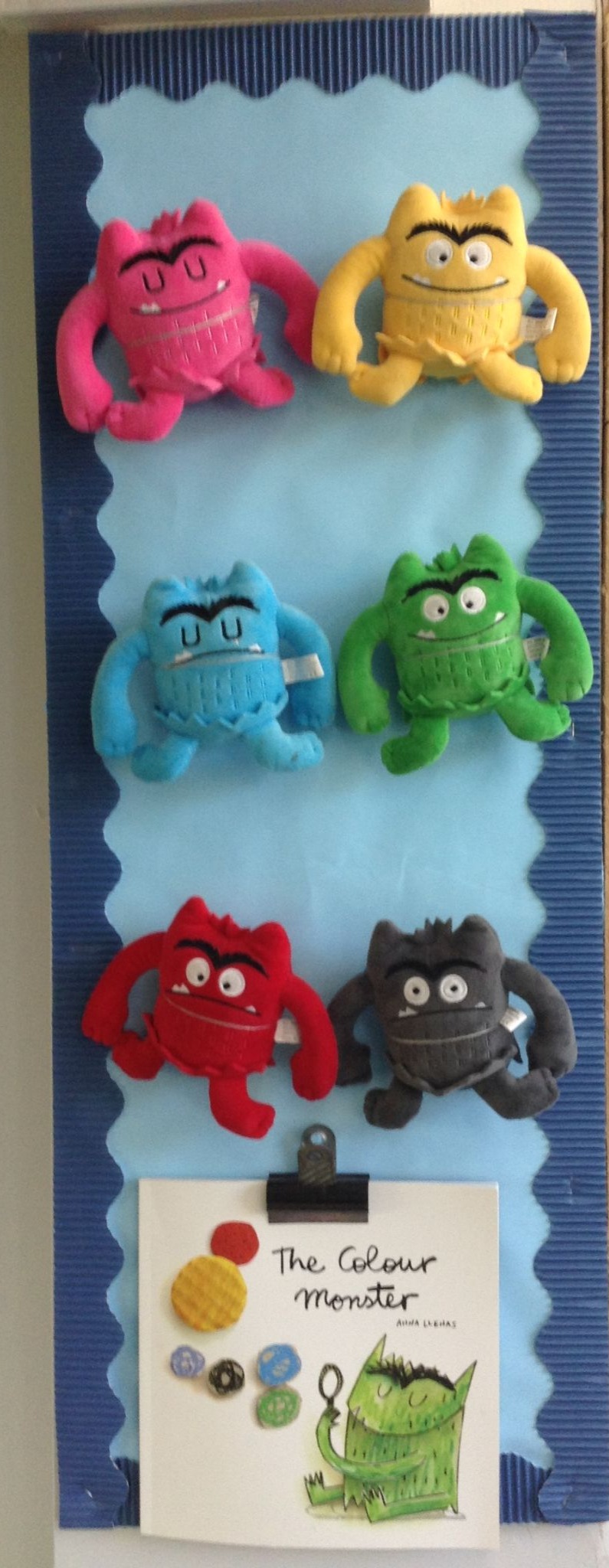
During our ELSA sessions, we use The Zones of Regulation to help children recognise, understand and communicate their emotions and feelings. We also explore different strategies and tools that children can use to help themselves when they are experiencing big or difficult emotions.
The Zones are incorporated across our classes to support children in developing their emotional awareness and understanding. Children learn that all emotions are normal and that our feelings can change throughout the day depending on what is happening around us.
Most importantly, children are encouraged to understand that it is okay to feel any emotion — what matters is learning how to recognise it and finding healthy ways to help ourselves through it.
Through this approach, we aim to give children the language, confidence and strategies they need to better understand themselves and manage their emotions.